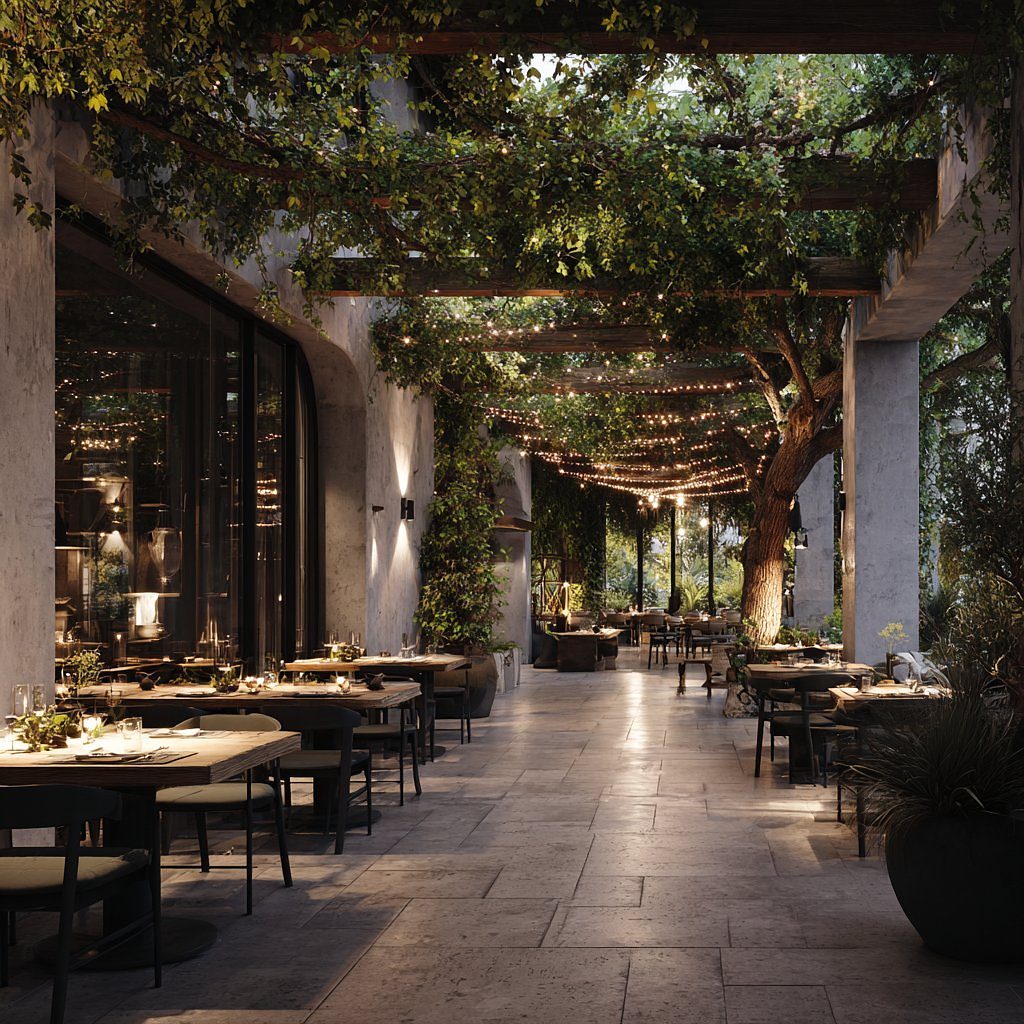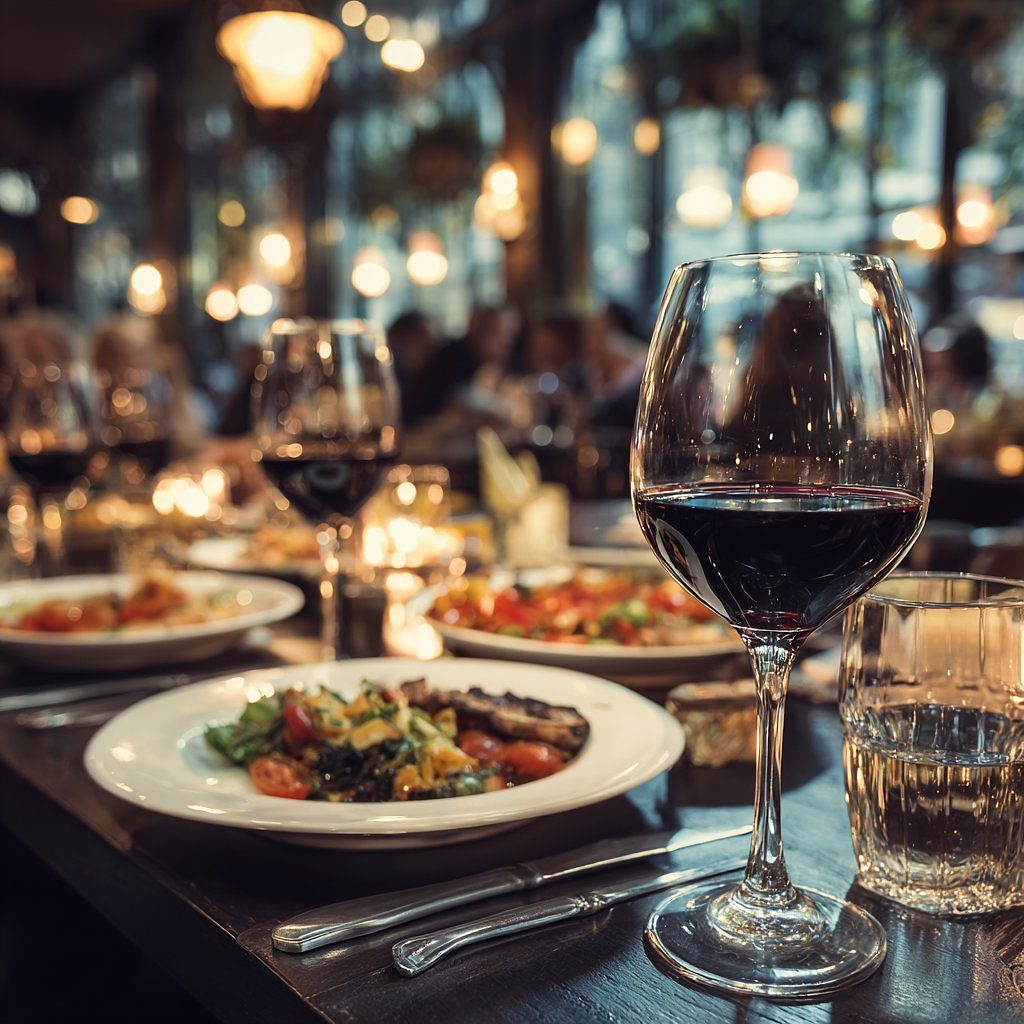
KYMA began as a question. What if Greek cuisine could shed its postcards and step into the dark? Not abandon its roots — return to them. To fire. To salt. To the hours after midnight when food becomes ceremony.
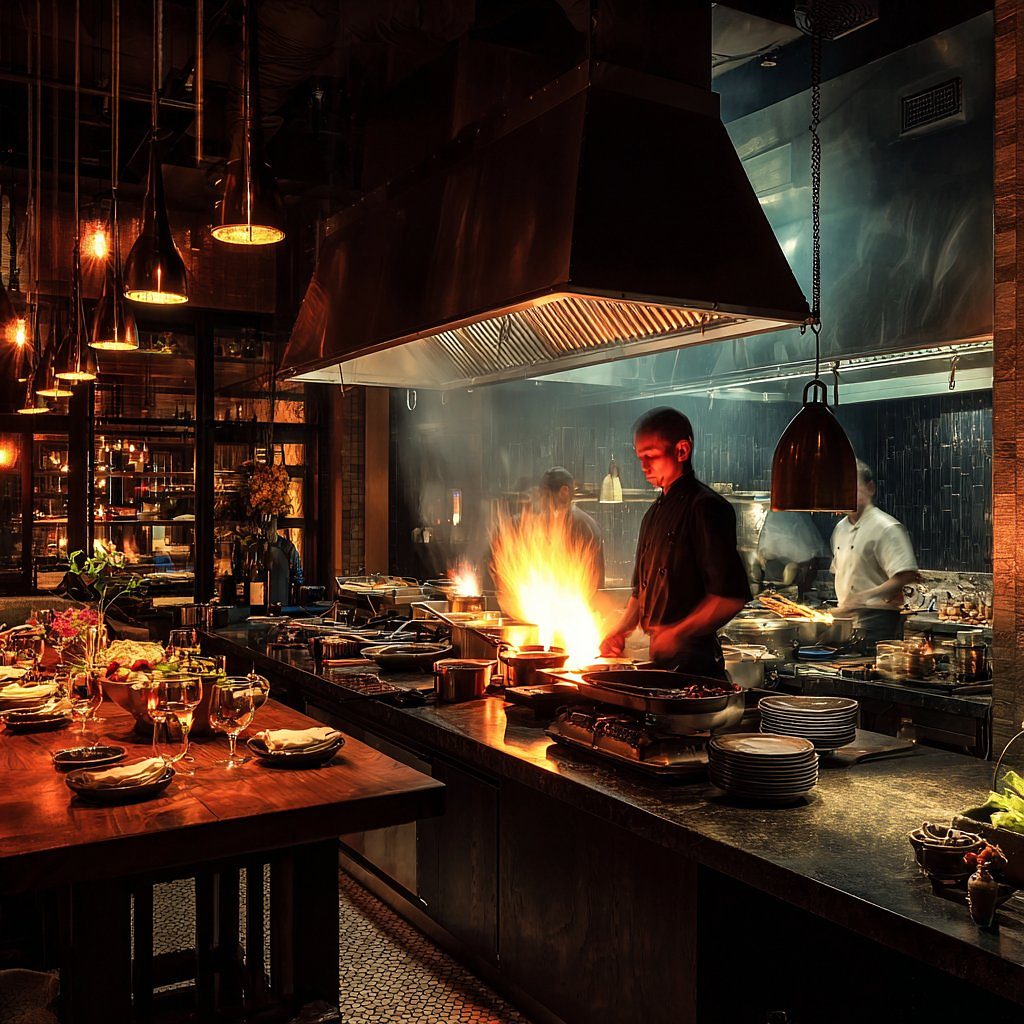
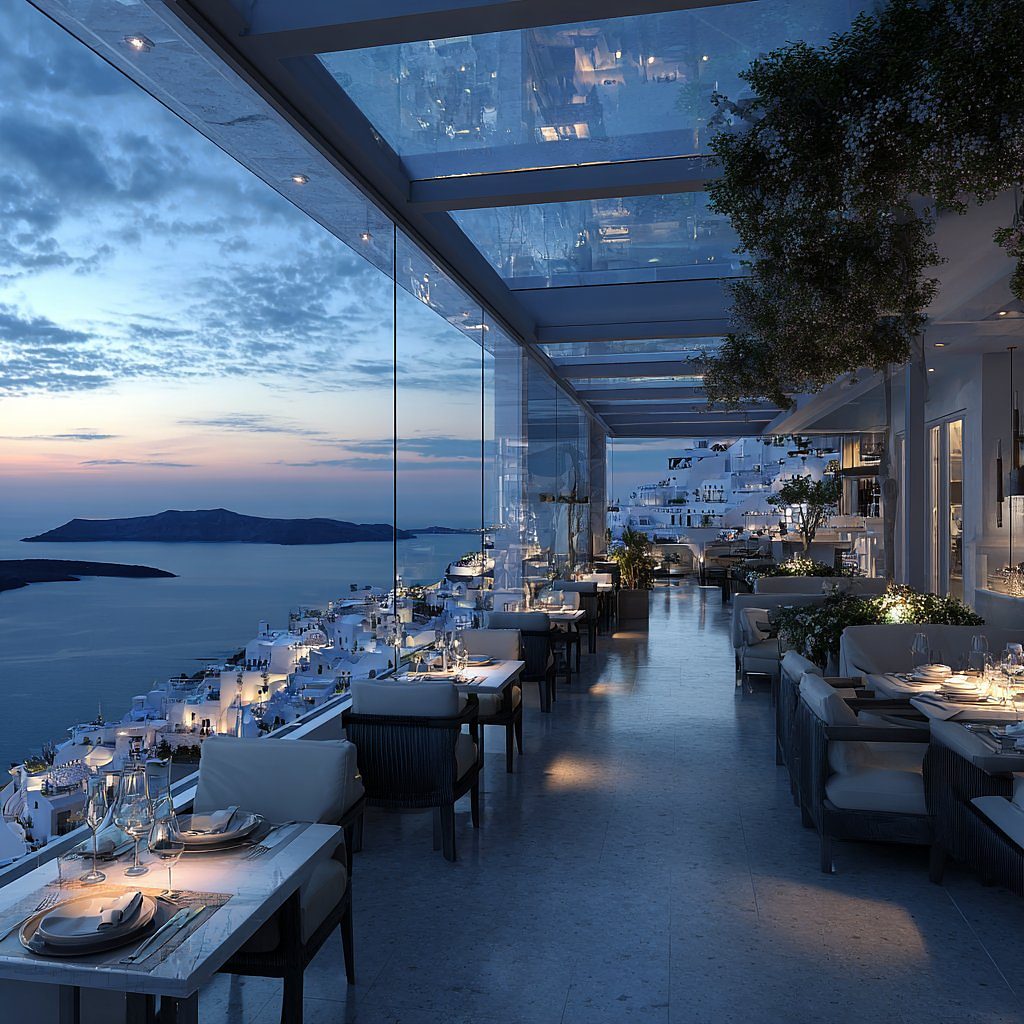
We open at seven. The first plates touch the hearth. By midnight, the room belongs to itself.
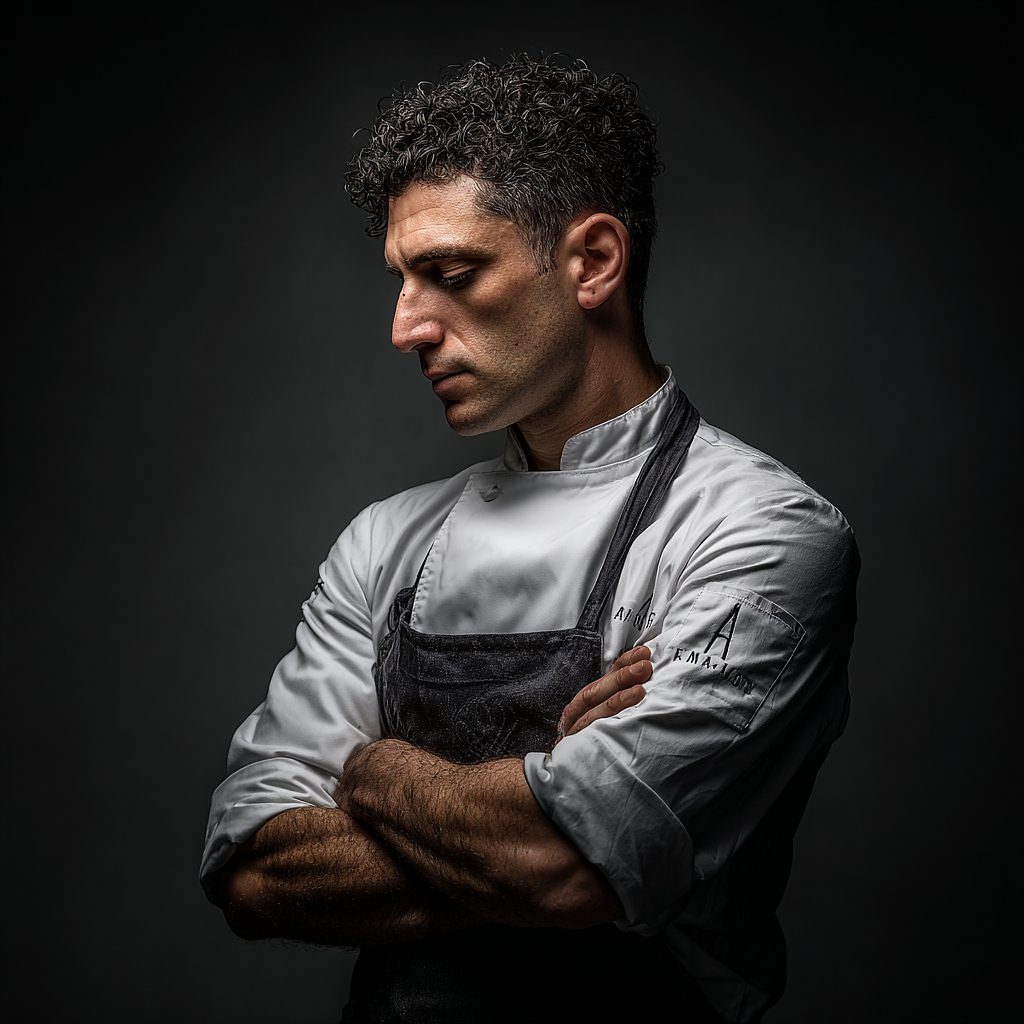
Our chef trained in Crete, Paris and Tokyo, and returned to Athens with a single discipline: subtract until what's left is essential. No flourishes for their own sake. No nostalgia for show.
Every plate is built on three ingredients you can name, and three you have to taste to find. The fire decides the rest.
Every plate at KYMA starts with the same shortlist. Sourced from small producers on Crete, Hydra, Naxos and the Peloponnese. Touched as little as possible.
Single-estate Koroneiki, pressed within forty-eight hours of harvest. Three farms in the Mani.
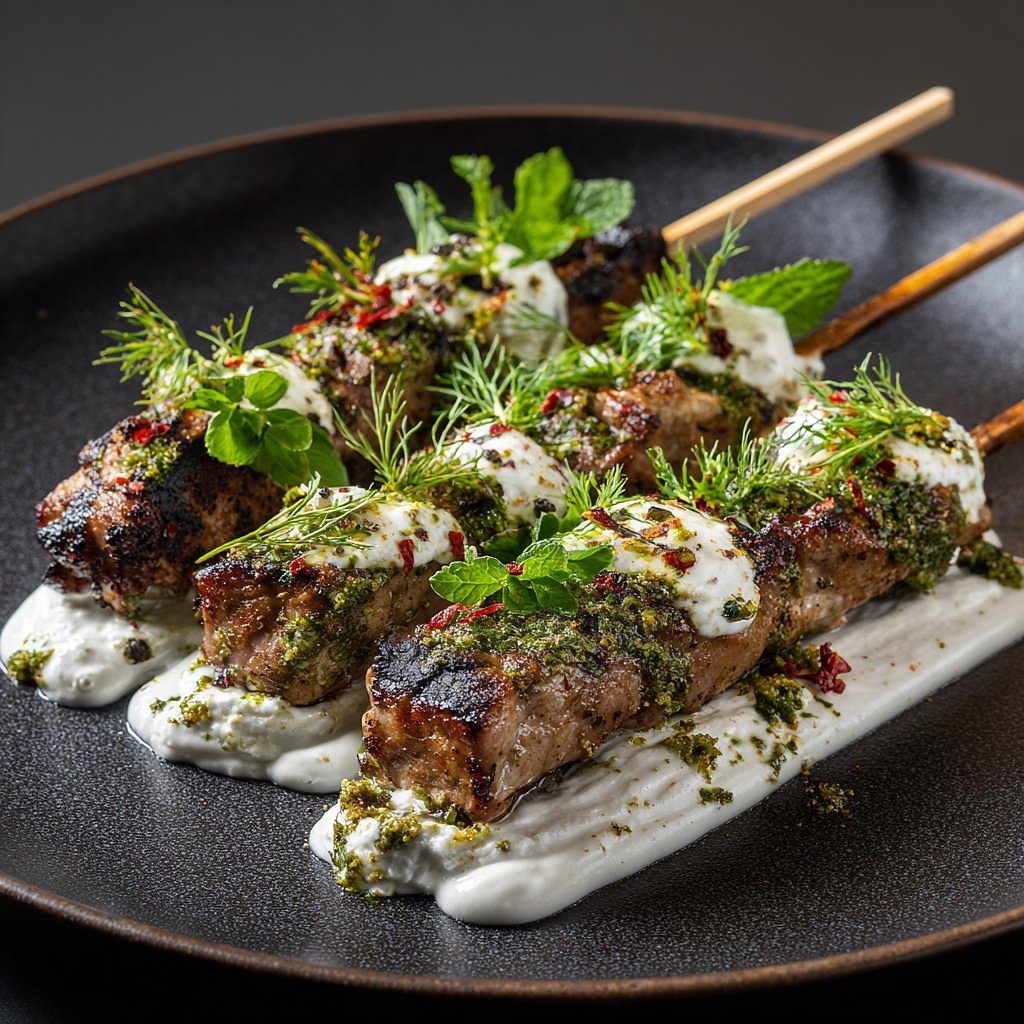
Olive wood, vine cuttings, charcoal. The hearth is the kitchen's only constant. Eight hundred degrees at the centre.
Hand-harvested from the salt pans of Mesolongi. Different grain for finishing, brining, and the table.
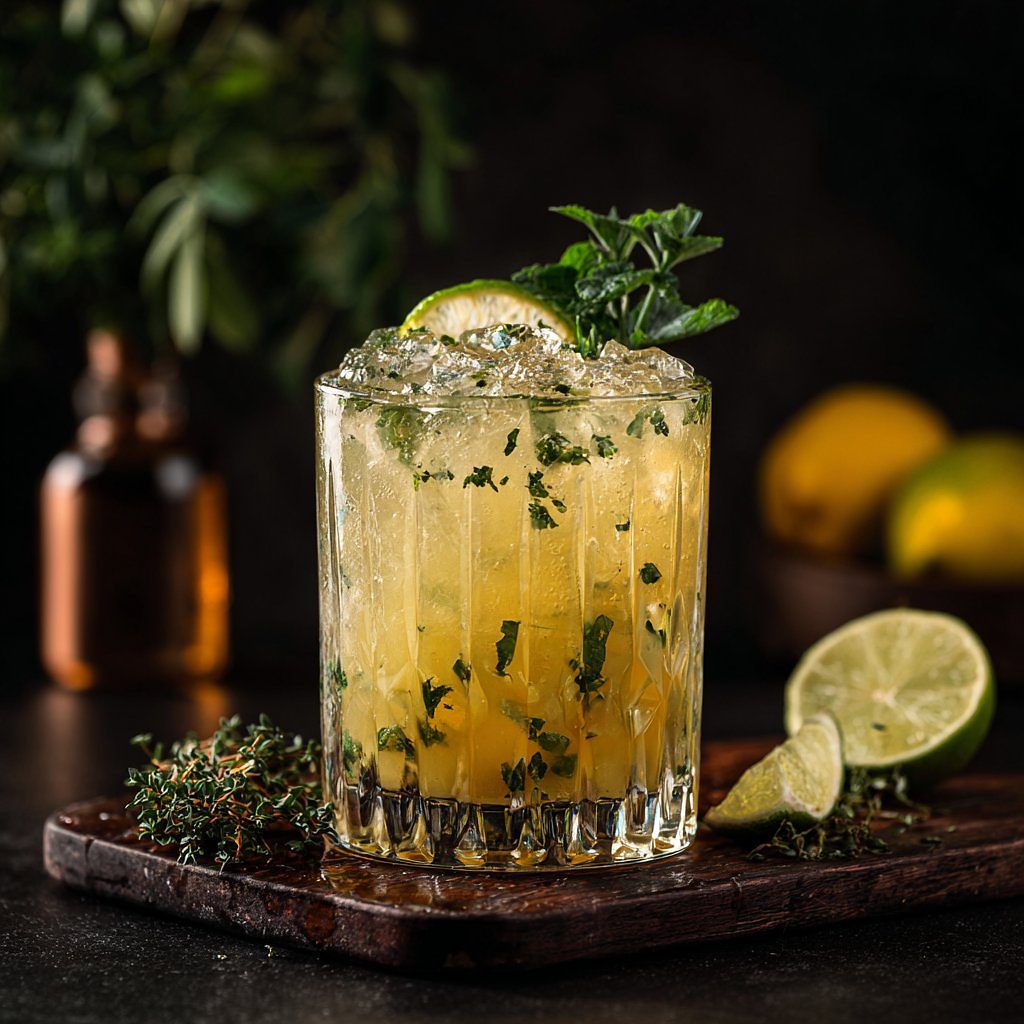
Thyme, oregano, dittany, samphire. Foraged on the slopes of Mount Hymettus and along the Saronic coast.
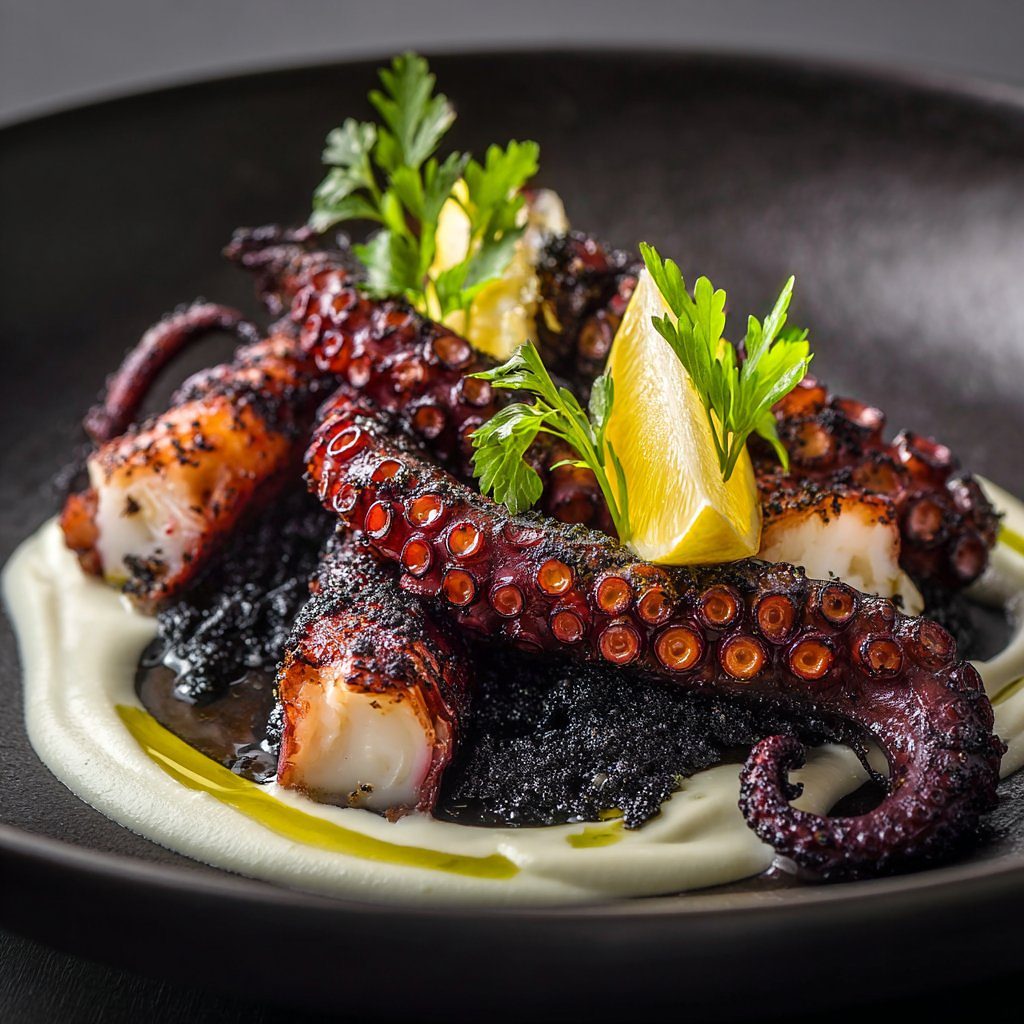
Day-boat fishermen from Aegina and Poros. Whatever the morning brings; the menu adjusts at five.
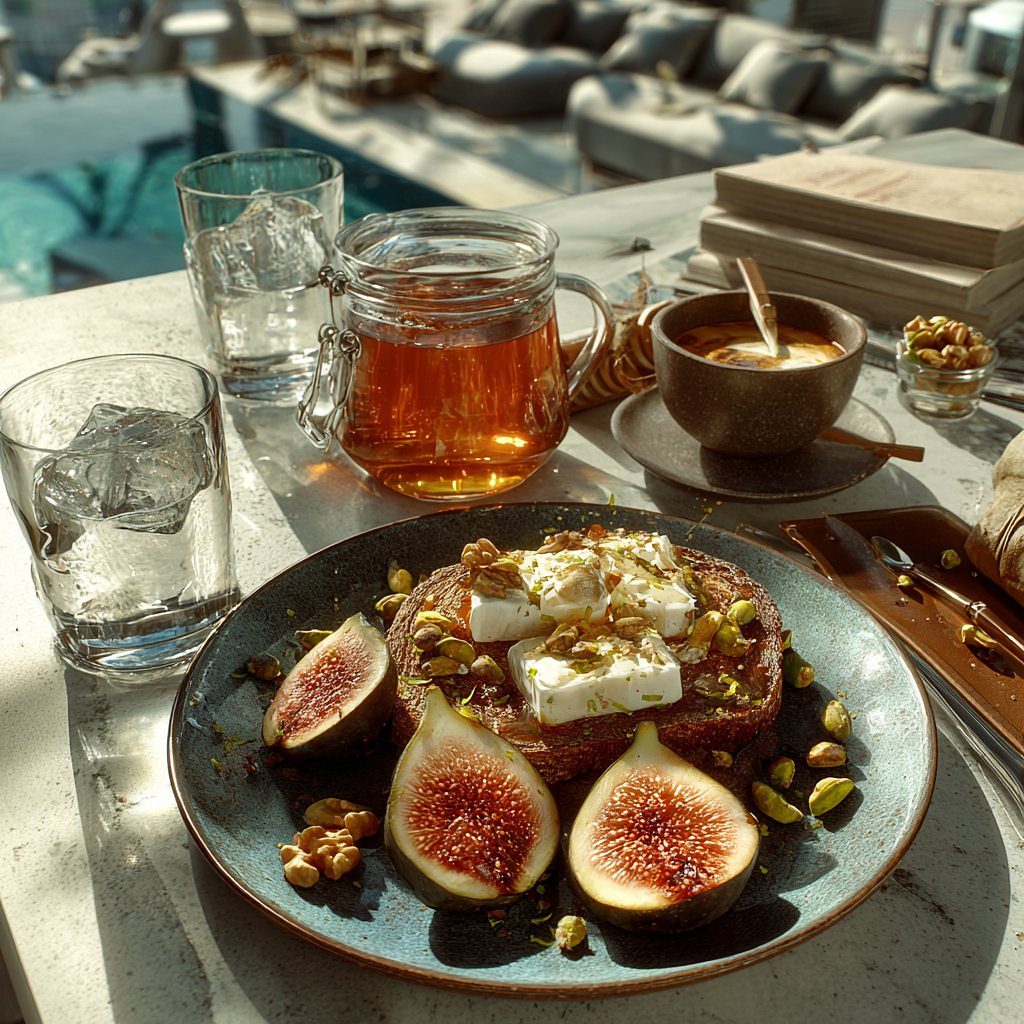
Hand-thrown stoneware from a workshop in Sifnos. Each plate is slightly different. So is each dish.
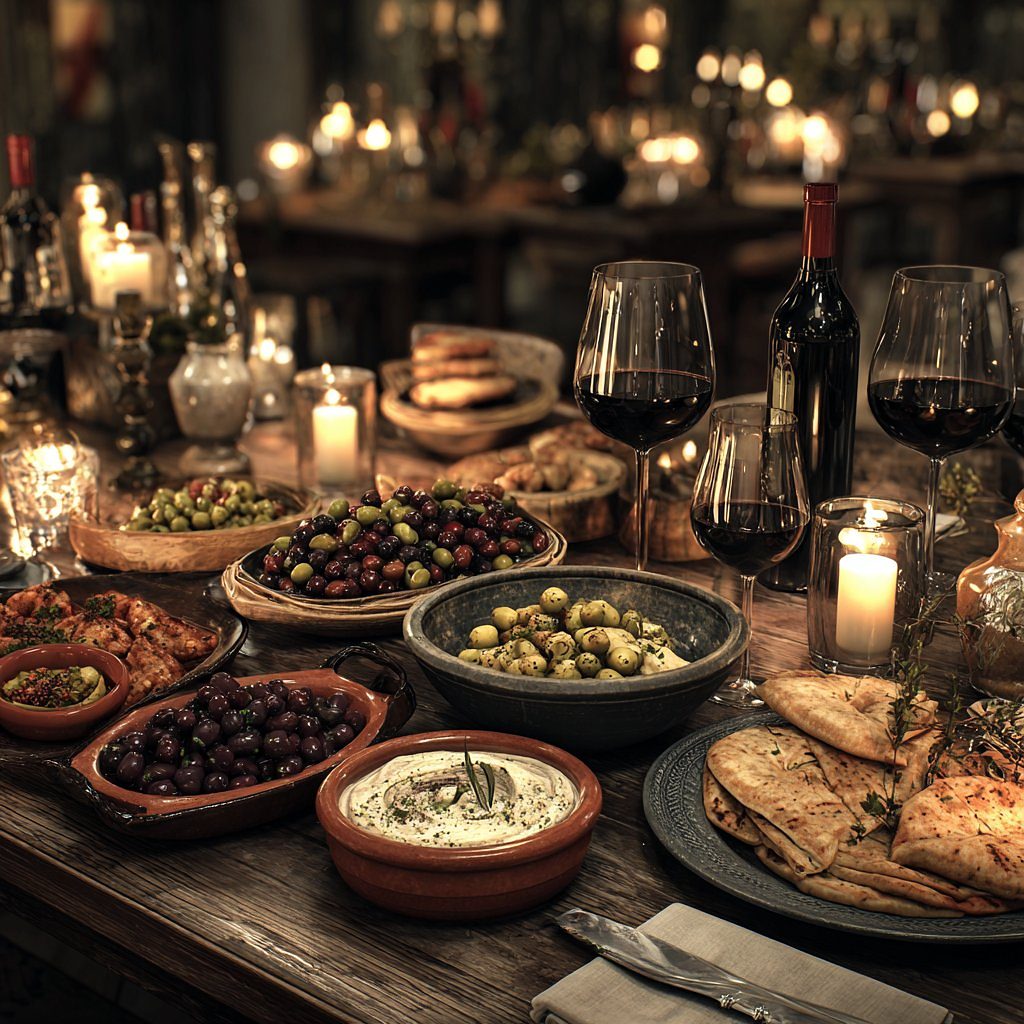
Native varietals first. Assyrtiko, Xinomavro, Agiorgitiko, Malagousia. Natural, biodynamic, low intervention.
The least visible ingredient. Brining for days, smoking for hours, plating in a single breath.